Plantation Shutters for Historic and Listed Buildings: 7 Tips
Plantation Shutters for Historic and Listed Buildings
When it comes to enhancing the beauty and functionality of historic and listed buildings, plantation shutters can be an exceptional choice. London Essex Shutters & Blinds is committed to providing high-quality shutters that not only match the unique architectural style of these properties but also offer practical benefits such as light control, privacy, and energy efficiency. In this article, we will explore the key aspects of choosing plantation shutters for such homes, the regulations involved, and how they can be customized to your needs.
Why Choose Plantation Shutters?
Plantation shutters are an ideal window treatment for historic and listed buildings for several reasons:
- Timeless Aesthetic: Their classic design complements the traditional architecture often found in these properties.
- Energy Efficiency: Shutters provide excellent insulation, keeping homes warm in winter and cool in summer. For information on how window treatments can affect your energy consumption, visit the Energy Saving Trust.
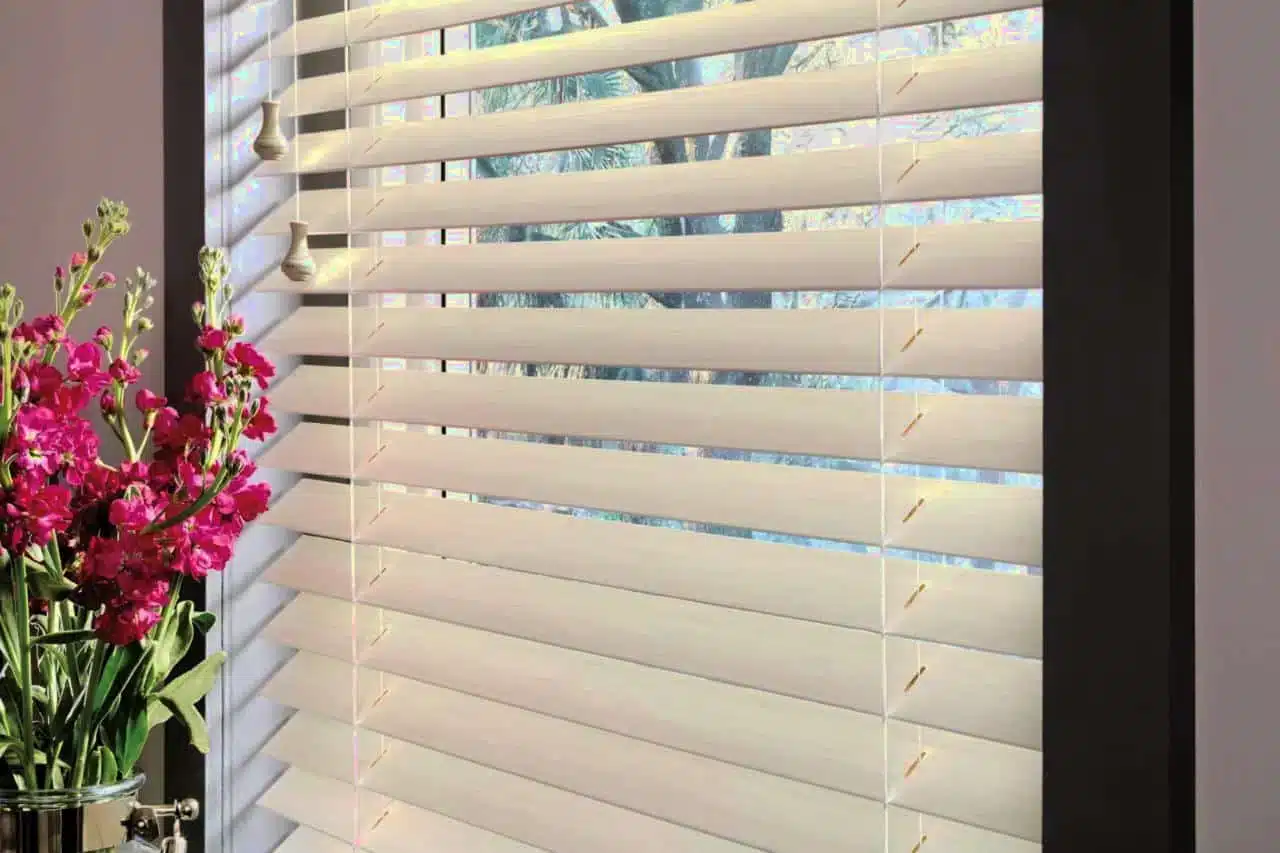
- Light Control: Adjustable slats allow for precise control of sunlight entering the home.
- Durability: Crafted from high-quality materials, plantation shutters are built to last.
Understanding Regulations
When installing plantation shutters for historic and listed buildings, it’s crucial to follow local regulations:
- Check with local councils or heritage bodies, such as Historic England, to understand any restrictions on modifications.
- Consult with conservation officers if necessary to ensure compliance with preservation standards.
Obtaining Permission
In many cases, you may need to apply for planning permission when making changes to the exterior of a listed building. This can include installing plantation shutters. Always prepare documentation that demonstrates how your proposed shutters will enhance the building’s character. It’s also wise to review the building regulations related to window modifications.
Types of Plantation Shutters
There are several styles of plantation shutters that can cater to the unique features of historic buildings:
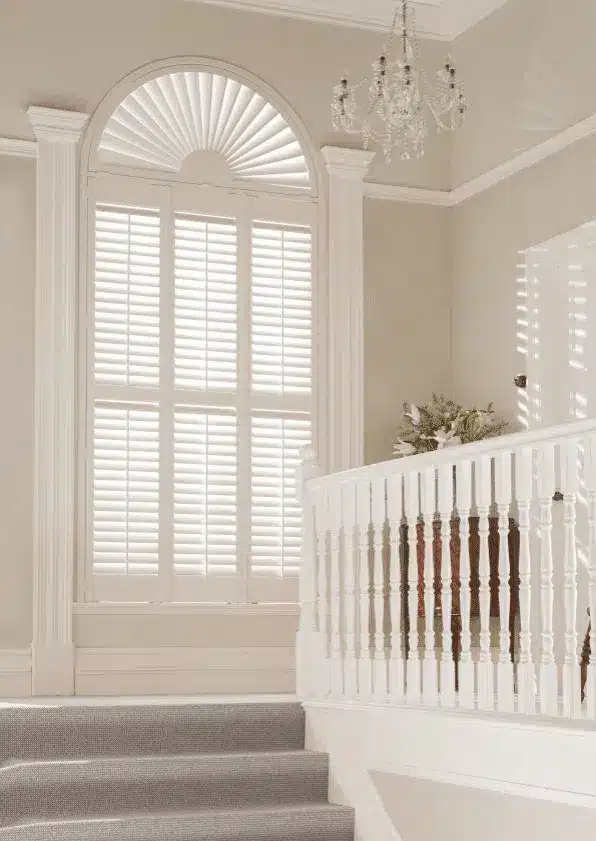
- Full-Height Shutters: Ideal for taller windows, these provide complete coverage and allow for full control of light and privacy.
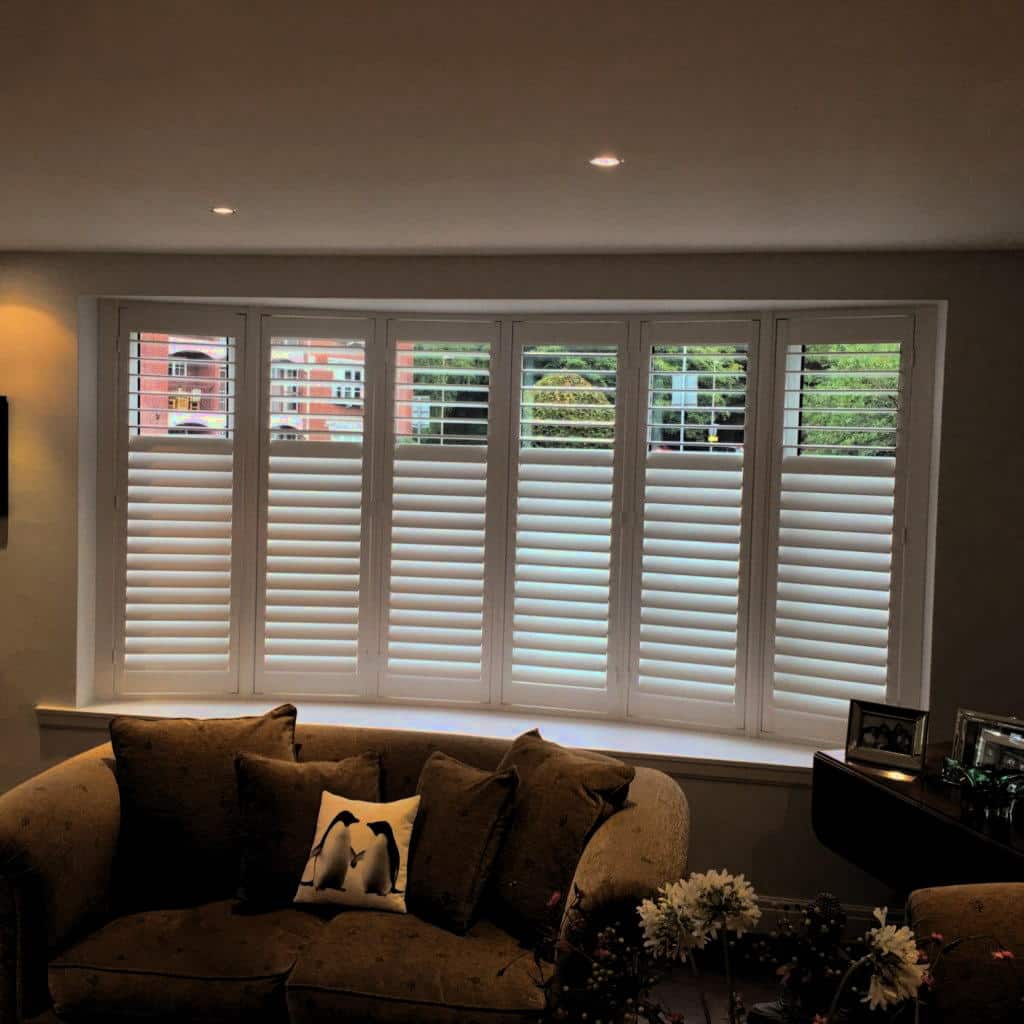
- Café Shutters: These cover only the lower half of the window, maintaining light and visibility while allowing for privacy.
- Tier-on-Tier Shutters: This style allows for independent operation of the top and bottom panels, offering ultimate flexibility.
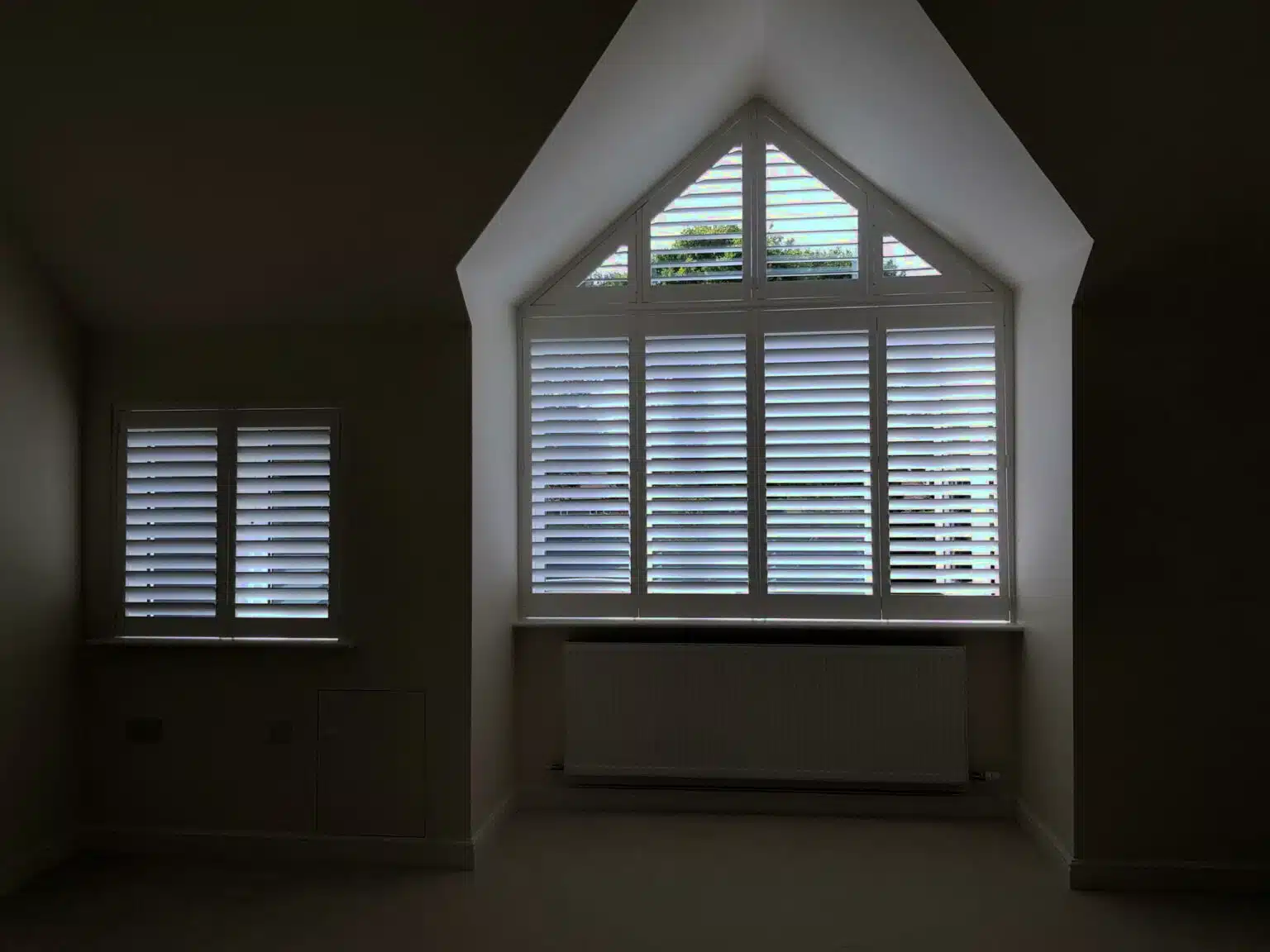
- Special Shape Shutters: Custom-made for unusual window shapes, perfect for historic architecture.
Choosing the Right Materials
Material selection is vital when choosing plantation shutters for historic and listed buildings. The best materials ensure durability while maintaining aesthetic integrity:
- Wood: A classic choice that provides warmth and beauty. Opt for sustainably sourced timber to reduce environmental impact. Visit Wood for Good for more on sustainable timber.
- Polyvinyl: A durable, low-maintenance alternative that is resistant to moisture.
Customization Options
One of the fantastic features of plantation shutters is their customization options:
- Color: Choose from a variety of colors or finishes to match your home’s existing decor.
- Size: Shutters can be made to fit perfectly in any window size.
- Control Mechanism: Options include traditional tilt rods or modern hidden controls for a clean look.
Expert Installation
Proper installation is crucial to maintaining the integrity of historic buildings. At London Essex Shutters & Blinds, we pride ourselves on offering expert installation services, ensuring that your shutters meet both functional and aesthetic standards. For those looking for shutter installation in Thundersley, we have you covered.
Maintenance Tips for Historic Properties
Maintaining plantation shutters involves regular care to keep them looking their best:
- Dust Regularly: Use a microfiber cloth to keep shutters free from dust.
- Avoid Harsh Chemicals: Opt for gentle cleaners that won’t damage the finish.
- Check for Repairs: Regularly inspect for any needed repairs or adjustments to maintain functionality.
Energy Efficiency Benefits
Energy efficiency is a significant advantage of using plantation shutters:
- Insulation: Shutters act as thermal barriers, helping to regulate indoor temperatures.
- Reduced Energy Bills: By controlling heat loss, you can save on heating bills during winter months. For more tips, check out our article on shutter installation costs in Writtle. Also, visit Energy Saving Trust for general energy-saving advice.
Conclusion
Choosing plantation shutters for historic and listed buildings is not only a style decision but also a functional one. They enhance the beauty of your property while providing essential benefits like light control, energy efficiency, and privacy. At London Essex Shutters & Blinds, we understand the complexities involved in preserving the character of historic buildings, and we are here to provide solutions tailored to your needs. Contact us today at 01277 592419 or email us at londonshutters@outlook.com for a consultation.