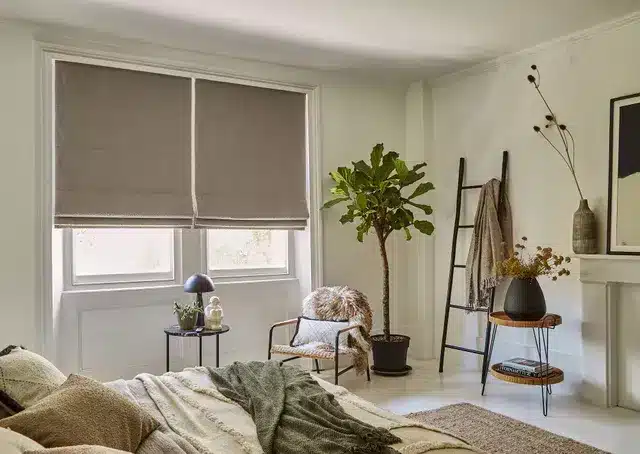
Closed interior shutters can add a layer between a cold window and the room. That can help reduce heat loss through the window and make the space beside it feel more comfortable. The result depends on the window, shutter design, fit and how you use them. A shutter is not a replacement for repairing a draughty sash or improving the rest of the home.
What shutters can — and cannot — do
Shutters cover the inside of the glazing. When closed, they create a more enclosed air space and reduce the room’s exposure to cold glass. Gaps around the frame and between louvres still matter. Louvred plantation shutters and traditional solid timber shutters are different products, so a laboratory result for one should not be presented as a promise for the other.
Historic England’s guidance on traditional windows discusses the thermal benefits of traditional shutters. It does not establish a guaranteed percentage reduction in household bills for our made-to-measure plantation shutters. We do not promise a fixed energy saving, an EPC improvement or a payback period.
Choose coverage before choosing a finish
- Full-height: covers the full window when closed, a practical starting point when warmth and privacy are priorities.
- Tier-on-tier: also covers the full window when both tiers are closed. Choose this for independent panel opening, rather than assuming the extra split improves insulation.
- Café: leaves the upper glass uncovered, so it does not provide the same extent of coverage.
- Solid: has panels without adjustable louvres. Discuss daylight, opening space and the window’s suitability before deciding.
For everyday differences, compare full-height and tier-on-tier shutters.
A practical winter routine
- Use daylight when you want it, then close panels and louvres when the room no longer needs natural light.
- Keep required vents clear. Shutters do not cure condensation or damp.
- Check draughts at the window itself. Repair and suitable draught-proofing can address a problem shutters alone cannot solve.
- Retain access to handles and secondary glazing so the window remains usable.
What about summer?
Tilting louvres can reduce direct sunlight and glare inside the room. Indoor shutters do not stop all solar heat reaching the glass, and they are not air conditioning. Ventilation and shading should be considered together, according to the room’s orientation and the building.
Questions for your consultation
Tell Ash which room feels cold, whether the glazing is single or double, and whether draughts or condensation are present. Ask how much glass will be covered, where frame gaps will be and how the layout will work with the opening mechanism. Request product-specific performance evidence if thermal performance is central to your decision.
For older sash windows and original joinery, see shutters for period homes. Discuss changes to listed buildings or historic features with the relevant conservation adviser before alterations.
Will shutters reduce my heating bill?
They may reduce heat lost through covered windows when closed, but a whole-home bill depends on many other factors. We cannot quote a reliable saving without evidence for the actual product, glazing and building.
Are they soundproof?
Standard interior shutters should not be bought as a soundproofing system. If noise is your main concern, obtain advice about the window and suitable acoustic measures.
Talk through your windows with Ash
Book a free shutter consultation, or call 01277 592419. Send your postcode, the rooms you are considering and a few window photographs. Rough sizes help the initial conversation; final measurements need a survey before ordering.